
The Commodification of Connection
Has the West Turned Community Into Commerce?

The Business of Being Human
Walk into any Western business networking event and witness the strangest transaction: people paying hundreds of dollars annually to meet other business owners. The cost? Overall expenses could run upwards of $800 per year (plus weekly expenses) just to access what should be the most natural human activity, getting to know your community.
This is what happens when societies destroy organic social fabric and then sell access to artificial replacements. It's like burning down the village well, then charging people for bottled water.

My Unlearning Journey
Here's the thing: I grew up in a Western society. Built my own business. I've been invited to join networking groups more times than I can count. People who looked like me, talked like me (sort of), said it would be "great for your business."
I never went. Not once. Never sat in a meeting, never paid the membership fee. Something in my gut told me it wasn't for me. I couldn't articulate why at the time, I just knew I didn't feel like them.
It's only later in life that I understood what that gut feeling was telling me. My core principles have never been about what "I" can gain. It's always been about what I can do for others. That's not some philosophy I learned from a book; it's just how I'm wired.
I'm an altruist living in a system that treats altruism like a character flaw or naive idealism. I kept feeling like something was wrong with me. But there's nothing wrong with me. And there's nothing wrong with you if you feel the same way. Altruism isn't about being a martyr or letting people take advantage of you. It's about understanding that when the community thrives, we all thrive. It's not about "me time", it's about community time. That's not philosophy, that's just reality.
Let me be clear: there's nothing wrong with networking. Connecting with people, building business relationships, helping each other succeed, that's all good. That's human. What's crazy is paying hundreds of dollars a year for the privilege of doing it. What's insane is needing membership fees and structured formats to access something we should be doing naturally in our communities.
The “Cult” of Controlled Connection
In my view, the most disturbing aspect isn't the money, it's the control mechanisms that would make cult researchers take notes. These organisations operate with no tolerance for questions or critical inquiry about their methods. Members speak in prescribed formats: 60-second pitches, structured referral systems, and mandated testimonials that sound eerily similar across different people.
Some critics call these organisations cults and have led to speculations that these organisations indulge in mind control. Research shows that MLMs rely on cult-like false representations, appeals to emotion, and very limited disclosure about the reality of the enterprise. The same psychological patterns appear in business networking: emotional manipulation disguised as "community," exclusivity presented as "selectivity," and financial pressure masked as "investment in relationships."
Members defend these systems with the fervour of converts, unable to acknowledge the artificial nature of connections built on transactional foundations. Members may mistake these excessive displays of affection for genuine care and connection, making it difficult for them to recognise the underlying control tactics.

The Selectivity Game
Some of these organisations pride themselves on exclusivity: only one business per category, carefully vetted members, and rigid attendance requirements. This isn't quality control; it's artificial scarcity designed to make people feel special about paying for basic human connection.
In healthy communities, business relationships emerge organically from existing social bonds. You know who does good work because you live alongside them, share meals with them, and witness their character in daily life. Trust builds through genuine interaction, not scheduled relationship-building exercises.
But when societies fragment communities into suburban isolation, when neighbours become strangers, when social connection requires appointment scheduling, then exclusivity becomes the substitute for authenticity. People pay premium prices to feel chosen, selected, worthy of artificial community membership.
The African Alternative
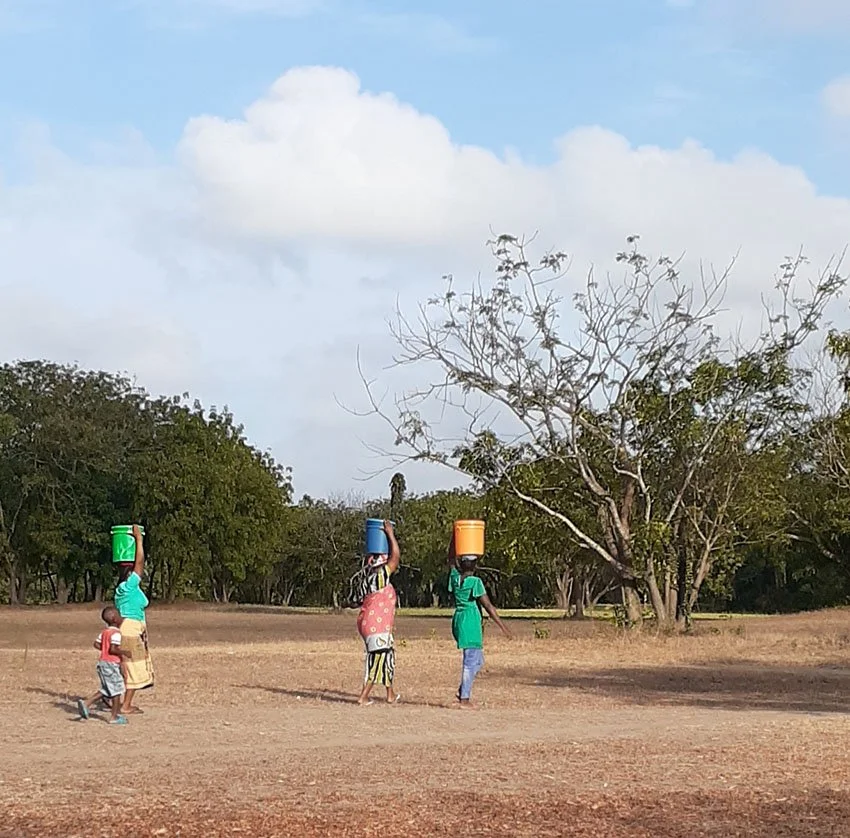
In African communities where ubuntu still functions, business networking happens at the market, in community gatherings, through extended family connections, and during seasonal celebrations. It's embedded in the social fabric rather than extracted from it and sold back as a service.
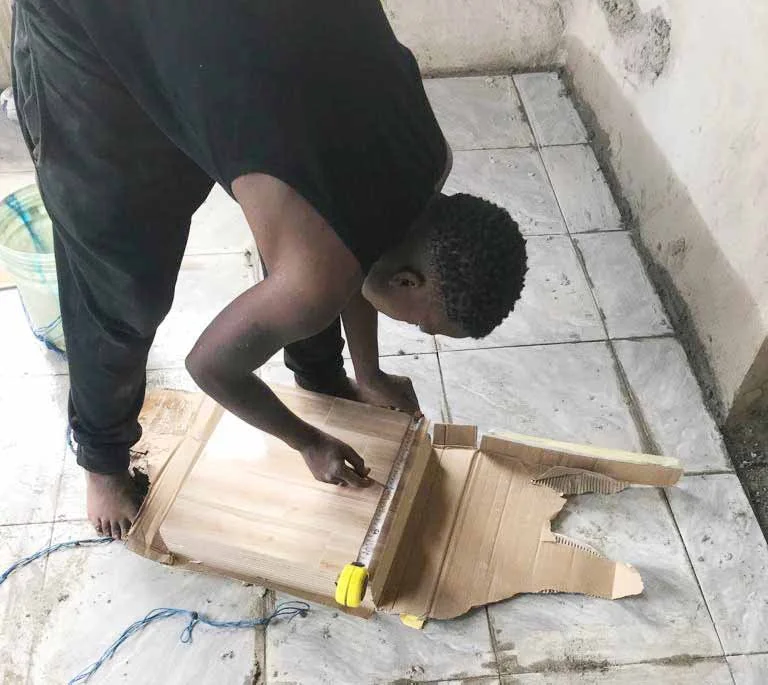
When someone needs a carpenter, the recommendation comes from genuine knowledge: you've seen their work on neighbours' homes, heard their reputation through community conversations, and witnessed their character through community involvement. Trust isn't built through structured testimonials but through lived experience.
This isn't "unprofessional", it's more sustainable because it's based on an authentic relationship rather than performed networking. The business connections have depth because they're rooted in community accountability rather than membership fees.
The Battle Between "I" and "We"
This is where I struggle daily. Western culture has trained us to ask: What's the benefit to me? What's my ROI? How does this serve my goals?
But Ubuntu asks different questions: How does this strengthen our community? How can my success contribute to collective flourishing? Who else benefits when I succeed?
These aren't just different questions; they're different ways of being human. And I'll be honest, the "I" thinking is seductive. It feels efficient, clear-cut, and measurable. The altruistic approach feels messy, harder to quantify, and easy to dismiss as naive.
But here's what I've learned: the "I" mindset is actually more expensive. Not just in membership fees, but in the constant exhaustion of calculating every interaction. The loneliness of accumulating without connecting. The hollowness of success that nourishes no one but yourself.
Altruism isn't about sacrificing yourself. It's about recognising that genuine care for others' wellbeing is inseparable from your own. That's not philosophy, that's how humans have survived and thrived for millennia.

The Time Tax
Beyond the financial cost is the time tax these organisations extract. Weekly meetings, structured follow-ups, referral tracking, testimonial preparation, and hours spent on artificial relationship maintenance that could be invested in genuine community building.
The real cost? It's your time. These organisations require significant time investment that removes people from organic social interaction. Instead of spending evenings or mornings with family, or simply being present for spontaneous connections, members schedule their social lives around networking requirements.
This creates a vicious cycle: the more time invested in artificial community, the less available for authentic community, which increases dependence on the artificial system.
The Manufactured Scarcity
The Western networking industry profits from a problem it helps perpetuate. Normalising transactional relationships makes genuine community connection seem naive or inefficient. By creating exclusive access to "professional networks," it suggests that organic community connections aren't valuable enough for serious business.
This manufactured scarcity convinces people they need to pay for what humans have always done naturally: helping each other find resources, sharing knowledge about who can be trusted, and connecting people with complementary needs.
Meanwhile, the same societies that export these networking models to Africa point to "informal economies" as evidence of underdevelopment, failing to recognise that community-based business relationships are actually more sophisticated and sustainable than their commodified alternatives.
The Real Return on Investment
The real cost of Western-style networking isn’t the membership fee, it’s the loss of genuine community. Every hour spent in artificial networking is an hour not invested in the neighbourly relationships and social bonds that naturally create trust and opportunity.
In reality, the strongest networks come from authentic connections, not scheduled relationship-building. In many African communities, you don’t need a networking meeting to find a trusted fundi (skilled worker in Swahili); you ask a neighbour, the local shopkeeper, or a friend in the street. Recommendations flow through real relationships, not manufactured ones.
As Western networking models spread, we face a choice: adopt a commodified version of human connection, or protect the organic community systems that already work. Societies that broke their own social structures now sell “solutions” to problems they created.
Africa doesn’t need to buy access to the community. We need to value and strengthen the community networks we already have before business models try to replace them.

My Commitment
I'm choosing altruism. Not the martyred kind, but the kind that recognises we're all connected. The kind that builds genuine relationships instead of collecting contacts. The kind that measures success by how many people thrive, not just how much I accumulate.
This isn't always easy in a world that calls this naive. But every time I help someone without calculating what I'll get back, every time I build real community instead of performing networking, I'm decolonising my own mind. I'm choosing Ubuntu over commodification.
True networking isn't a service you buy, it's a way of life you build.
Ubuntu doesn't charge membership fees.